
A Russian missile strike on the ArcelorMittal steel plant in Kryvyi Rih, Ukraine, has resulted in two fatalities and 13 injuries. The attack partially disrupted operations at the country's largest steelworks, owned by Indian billionaire Lakshmi Mittal, damaging key energy and blast furnace facilities. Search and rescue efforts are underway, and the extent of the damage is being assessed.
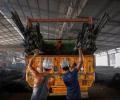
The "weaponisation" of economic activity - through tariffs and sanctions - is now a reality, with countries leveraging these tools strategically, External Affairs Minister S Jaishankar said at the Raisina Dialogue recently.

Russia's war on Ukraine has sent steel prices soaring to its highest levels in the domestic market since November 2021. But there is little cheer in the industry. That's because input costs are spiralling out of control, leaving the big boys nearly as high and dry as the small, medium and secondary steel producers. Russia and Ukraine are major providers of steel and raw materials to the world.
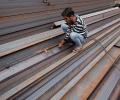
Raw material prices had been on the rise, but since Russia waged war on Ukraine, prices have surged.

When the world was upended by the Covid-19 pandemic, metals got its shine back. In the last two years, infrastructure spending by major economies spurred demand, energy transition and intermittent supply disruptions fuelled a scorching rally in metals after a downturn during the first Covid wave. Now, Russia's war on Ukraine is ensuring that elevated prices stay the course.
